
2026 Wine Cellar Design Trends: Elevating Luxury Storage
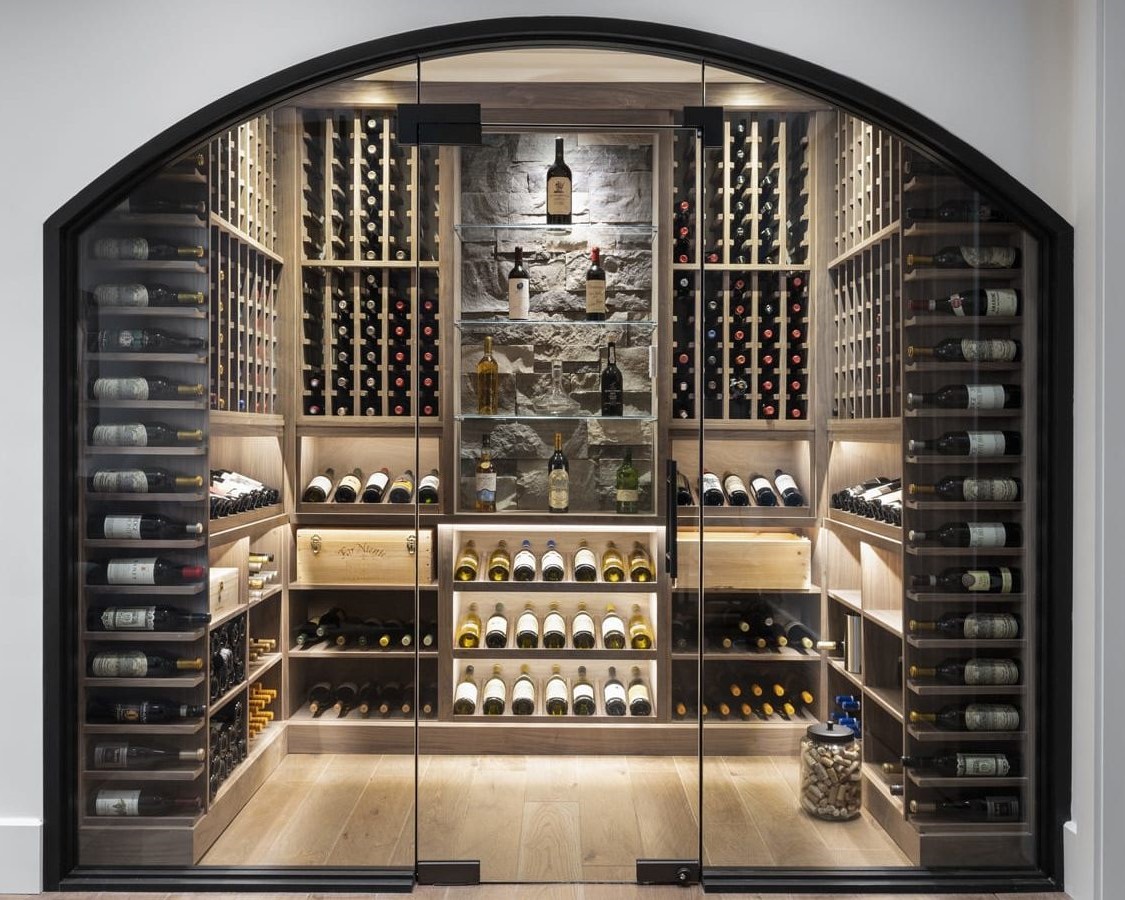
For decades, the traditional wine cellar was relegated to dark, subterranean basements, characterized by heavy mahogany racking and dimly lit corridors. Today, the philosophy of wine storage has fundamentally shifted. Wine collections are no longer just meant to be stored; they are meant to be showcased.
If you are planning a custom build or looking for inspiration, understanding the latest design trends in wine cellars is essential for creating a space that balances optimal climate control with breathtaking aesthetics. Here are the defining trends shaping luxury wine architecture today.
1. The Rise of “Main Floor” Transparent Enclosures
The most significant shift in modern wine cellar design is location. Collectors are bringing their wine out of the basement and integrating it directly into dining rooms, living areas, and entertainment spaces.
To achieve this without disrupting the home’s open-concept flow, designers are heavily utilizing frameless glass enclosures. These transparent walls create a jewel-box effect, allowing the collection to serve as a dynamic piece of art while maintaining the strict 13°C temperature and ideal humidity required for preservation.
2. Transitional Styles: The Best of Both Worlds
While ultra-modern designs are highly sought after, “Transitional” wine cellars are currently dominating the luxury market. This style bridges the gap between classic warmth and contemporary minimalism.
Key characteristics of transitional cellars include:
- Mixing warm, natural woods like White Oak or Walnut with modern metals.
- Utilizing sleek, matte black aluminum racking against traditional stone or porcelain tile backdrops.
- Incorporating subtle LED backlighting to highlight individual bottles rather than the racking itself.
3. Minimalist and Label-Forward Racking
Traditional cork-forward racking is quickly being replaced by “label-forward” displays. Collectors want to navigate their inventory visually, reading the labels of their prized Bordeaux or Napa Cabernets without having to disturb the bottles.
Metal pegs, tension cables, and acrylic cradles are the materials of choice for this minimalist approach. They give the illusion that the bottles are floating in mid-air, maximizing bottle capacity while minimizing the visual footprint of the hardware.
4. Integrated Smart Climate Control
A beautiful cellar is useless if it cannot protect the wine. The latest trend in cooling is absolute invisibility. Noisy, bulky wall-mounted cooling units are out. Instead, custom builds are utilizing ducted split systems that hide the mechanical components in a mechanical room, piping in whisper-quiet, digitally controlled air.
Traditional vs. Modern Cellar Trends
| Feature | Traditional Cellars | Modern & Transitional Cellars |
| Location | Subterranean basements | Main floor living and dining areas |
| Primary Materials | Mahogany, Redwood, Spanish Cedar | White Oak, Walnut, Glass, Aluminum |
| Racking Style | Cork-forward, bulky wood cubes | Label-forward, minimalist metal pegs |
| Lighting | Dim, ambient chandeliers | Integrated, dimmable LED ribbon lighting |
| Enclosure | Solid wood doors | Frameless glass walls and doors |
Investing in Timeless Craftsmanship
While trends evolve, the foundation of a spectacular wine cellar remains the same: impeccable craftsmanship and reliable climate engineering. Whether you lean towards a hyper-modern aesthetic using acrylic and brass, or a transitional space blending natural walnut with matte black aluminum, the ultimate goal is to create a bespoke environment that honors your collection.
