
Do Wine Cabinets Require Ventilation?
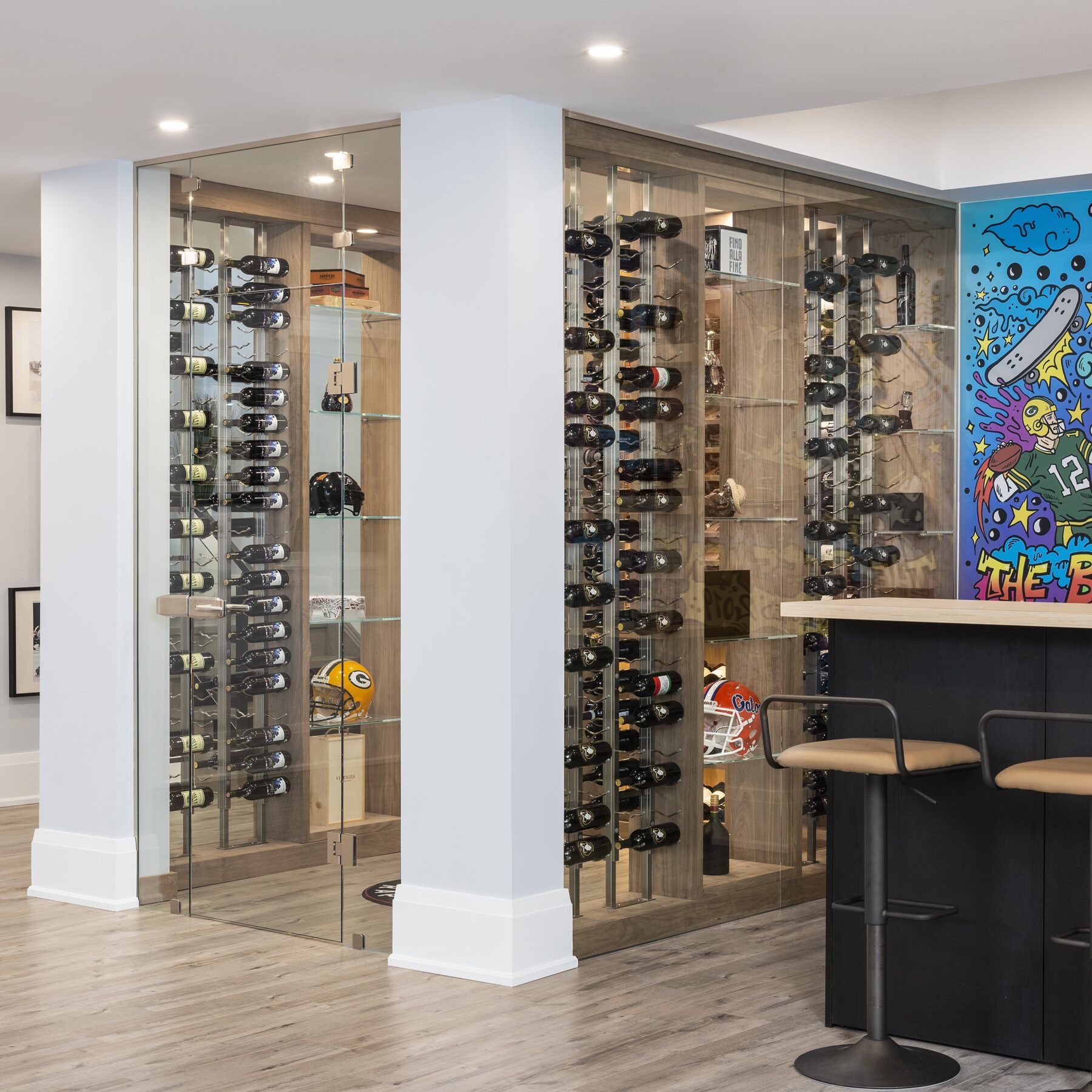
When investing in custom wine cabinetry, aesthetics and capacity are usually top of mind. However, one of the most critical factors in preserving your fine wine collection lies behind the scenes: ventilation.
If you are wondering whether wine cabinets require ventilation, the short answer is yes. Whether you are installing an active climate-controlled cooling system or a enclosed wooden display cabinet, proper airflow is mandatory to regulate temperature, balance humidity, and prevent air stagnation.
Without adequate ventilation, even the most beautifully crafted wine cabinet can trap heat and moisture, leading to premature aging or ruined bottles.
Why Ventilation Is Essential for Wine Cabinets
Wine is a living product sensitive to environmental fluctuations. Custom cabinets built from premium hardwoods like mahogany, walnut, or oak offer natural insulation, but wood is also porous. Over time, wood can absorb ambient moisture and surrounding room odors.
Proper airflow inside and around your cabinet serves three vital purposes:
- Heat Dissipation: Refrigeration units and cooling condensers generate heat. If this warm exhaust air cannot escape, the cabinet interior will overheat, damaging your wine.
- Humidity Regulation: Stagnant air leads to localized humidity spikes, which can foster mold growth on bottle labels and wooden racking.
- Odor Prevention: Continuous air circulation prevents stale air pockets and keeps external food or chemical odors from penetrating natural corks.
Active vs. Passive Wine Cabinet Ventilation
Depending on your cabinet design, location, and cooling setup, ventilation generally falls into two main categories:
1. Active Ventilation (For Climate-Controlled Cabinets)
Active ventilation uses powered fans or dedicated ductwork to force air circulation across cooling coils and vent hot exhaust air away from the cabinet. This system is essential for refrigerated wine cabinets located in warm rooms or enclosed alcoves.
Active systems continuously monitor temperature and humidity, pulling fresh air in while expelling heat into an adjacent room or ceiling plenum.
2. Passive Ventilation (For Non-Refrigerated Storage)
Passive ventilation relies on natural thermal convection. Strategic vents, slotted shelving, or rear airflow gaps allow warm air to rise and exit while cooler ambient air flows in from the bottom.
Passive ventilation works best for non-cooled cabinetry located in naturally cool, climate-regulated rooms where temperature stays consistently around 55 to 65 degrees Fahrenheit.
Risks of Poor Wine Cabinet Ventilation
Failing to plan for adequate ventilation during custom cabinet construction can result in costly damage to both your home and your wine collection.
- Cooking the Wine: Heat trapped inside a poorly ventilated cabinet raises internal temperatures above 70 degrees Fahrenheit. Heat-damaged wine expands against the cork, leading to oxidation, flat flavors, and leakage.
- Label and Mold Damage: Stagnant, high-humidity air creates an ideal environment for black mold. While corks need around 60 to 70 percent humidity to stay hydrated, unventilated air causes labels to peel and decay.
- Cooling Unit Failure: A refrigeration condenser operating without proper exhaust clearance works double time to maintain temperature. This shortens the lifespan of the cooling unit and leads to premature mechanical breakdown.
- Structural Moisture Buildup: Trapped condensation can warp custom wood paneling, ruin cabinet finishes, and cause dry rot behind built-in furniture.
Best Practices for Custom Wine Cabinet Ventilation
When designing or installing a custom wine cabinet, proper ventilation planning must begin at the architectural stage. Here are key guidelines applied by professional builders:
Maintain Airflow Clearances
Built-in wine cabinets with self-contained cooling units require a minimum clearance around top, side, and rear exhaust vents. Placing a cabinet flush against a wall without designated exhaust paths chokes the cooling unit.
Integrate Slotted Racking
Solid wooden shelves restrict air movement. Custom wine cabinets should utilize slotted or ladder-style racking to allow vertical air movement between bottle rows.
Position Away from External Heat Sources
Avoid installing wine cabinets directly beside ovens, dishwashers, floor heating vents, or in direct sunlight. External heat forces cooling systems to work significantly harder.
Install High-Quality Gaskets and Thermal Seals
Airflow inside the cabinet must be controlled. Double-pane thermal glass and commercial-grade magnetic door gaskets prevent warm room air from leaking into chilled storage areas.
Partner with Expert Cabinet Builders
Designing a high-performance wine cabinet requires technical expertise in thermodynamics, insulation, and custom woodworking.
At Imagination Wine Cellars, every custom wine cabinet and cellar is precision-engineered with seamless ventilation, whisper-quiet cooling integration, and handcrafted millwork. We ensure your wine collection stays protected while serving as a breathtaking focal point in your home.
